
Unveiling the layers of the tropical rainforest food chain
Survival of the fittest: exploring the predators and prey in the food chain in the rainforest
 Written byRob Boyle
In the tropical rainforest food chain, plants (producers) convert sunlight into energy. Herbivores (primary consumers) like insects and monkeys eat plants. Predators (secondary consumers) such as snakes eat herbivores, while apex predators like jaguars and harpy eagles (tertiary consumers) hunt other predators. Decomposers recycle nutrients.
Ever wondered who eats who in the intricate web of the tropical rainforest food chain?
The tropical rainforest is a vibrant, layered terrestrial biome, home to intricate trophic levels that collectively form one of Earth’s most celebrated biodiversity hotspots.
It’s a complex ecosystem, with food web stability relying on countless individual food webs that interconnect at every level.
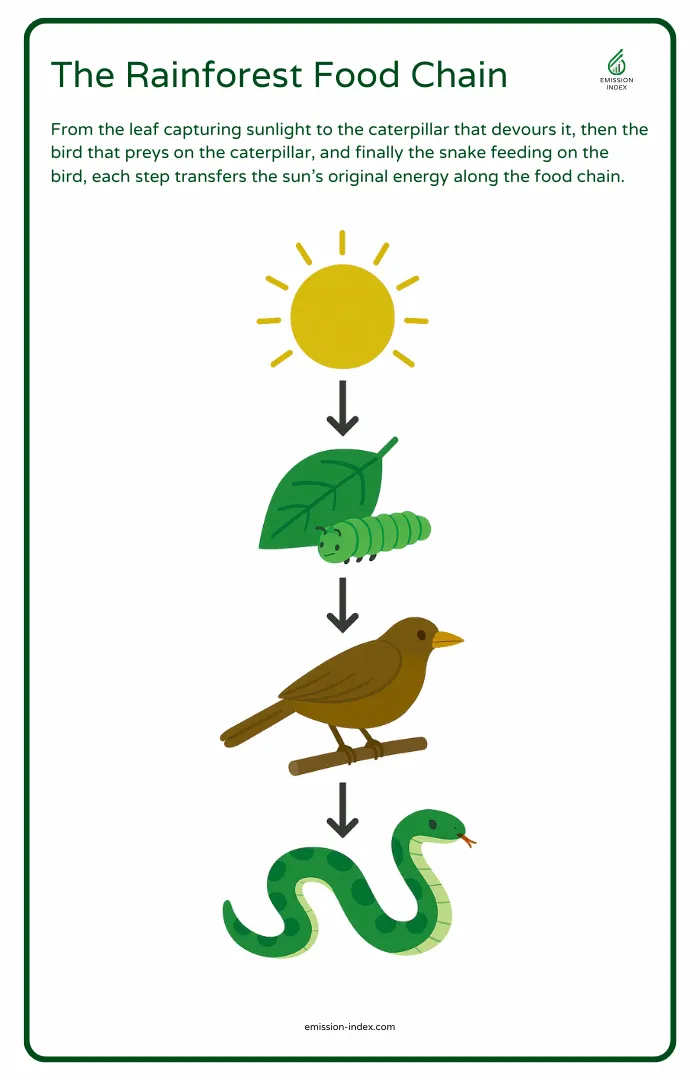
This food web (the network of producers, consumers, and decomposers) shapes one of the most biodiverse environments on Earth, sustaining a wide variety of plant species and animal species.
Key points in this article
- How energy flows from the sun to plants and through various consumers
- The distinct roles of producers, herbivores, predators, and decomposers
- How rainforest layers, keystone species, and human activities affect this delicate balance
Let’s get started!
The importance of sunlight and producers
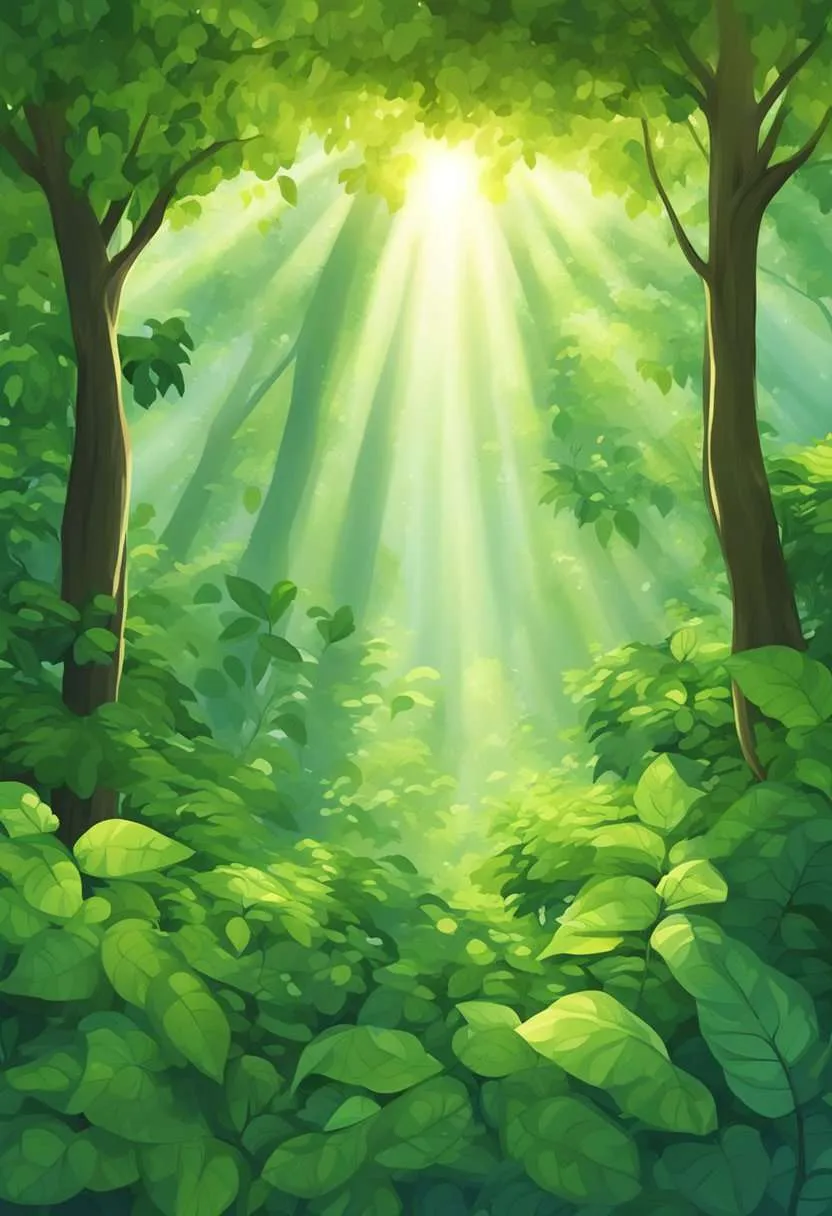
Sunlight, a key abiotic factor, fuels the rainforest. Plants, algae, and other producers use photosynthesis to convert light into chemical energy, playing a pivotal role in the carbon cycle by absorbing CO₂ from the atmosphere.
This process fosters energy fluxes through the food web structure, ensuring distribution of energy to all trophic levels.
Who are the producers?
- Canopy trees: The tallest trees form a thick roof of leaves (the upper layer, sometimes called the canopy layer), capturing the most sunlight. Their roots of trees anchor them in shallow but nutrient-rich soils, hosting epiphytes (smaller plants growing on trunks and branches).
- Understory plants: These smaller plants thrive in filtered light beneath the canopy, adapting to lower energy levels.
- Aquatic producers: Algae and small aquatic plants also photosynthesise in rainforest ponds or streams (including stream food webs), supporting water-dwelling life.
Primary consumers and herbivores
Primary consumers (herbivores) convert the energy stored in plants into nutrients for higher-level consumers.
By foraging on vegetation, herbivores facilitate energy flow to higher trophic levels and even aid in distributing seeds that enrich the nutrient-rich soils on the forest floor.
These herbivores range from the tiniest insects to larger animals and include:
- Insects: Beetles, caterpillars, and leafcutter ants chew through leaves and stems, speeding up decomposition and nutrient cycling. Some ants are considered keystone species, shaping plant growth and soil health.
- Small mammals: Agoutis and capybaras forage for seeds, fruits, and roots, dispersing seeds as they move.
- Birds: Macaws and toucans feed on fruits and nuts, helping pollinate flowers or spread seeds.
- Monkeys: Many primates, such as spider monkeys, consume fruit, leaves, and occasionally insects. Their feeding habits can shape entire patches of forest.
Herbivores are essential because they bridge the gap between sunlight-fuelled plants and the rest of the food web. Without them, the energy cycle would stall.
Secondary consumers: The actions of predators and prey dynamics
Secondary consumers typically feed on herbivores, demonstrating ecological interdependence that keeps herbivore numbers in check.
This balance is part of the ecosystem services rainforests provide, as it ensures plant life remains abundant and healthy.
- Snakes (e.g. boa constrictors) stealthily hunt rodents, birds, or even smaller reptiles.
- Birds of Prey: Hawks or eagles scan the canopy for insects, lizards, or smaller mammals. Their keen eyesight and speed make them efficient hunters.
- Lizards and Amphibians: Some lizards dine on insects, while certain frogs may consume smaller invertebrates. Though often small, they play a vital role in balancing insect populations.
These predator-prey interactions help maintain the ecological balance. If any predator declines, herbivores may overgraze, damaging plant life and disrupting the entire network.
Tertiary consumers and apex predators
At the top of the tropical rainforest food web are apex predators (animals with few or no natural enemies).
When apex predators are threatened by habitat fragmentation or other anthropogenic pressures, the population dynamics within the rainforest shift, often leading to a cascade of ecological consequences.
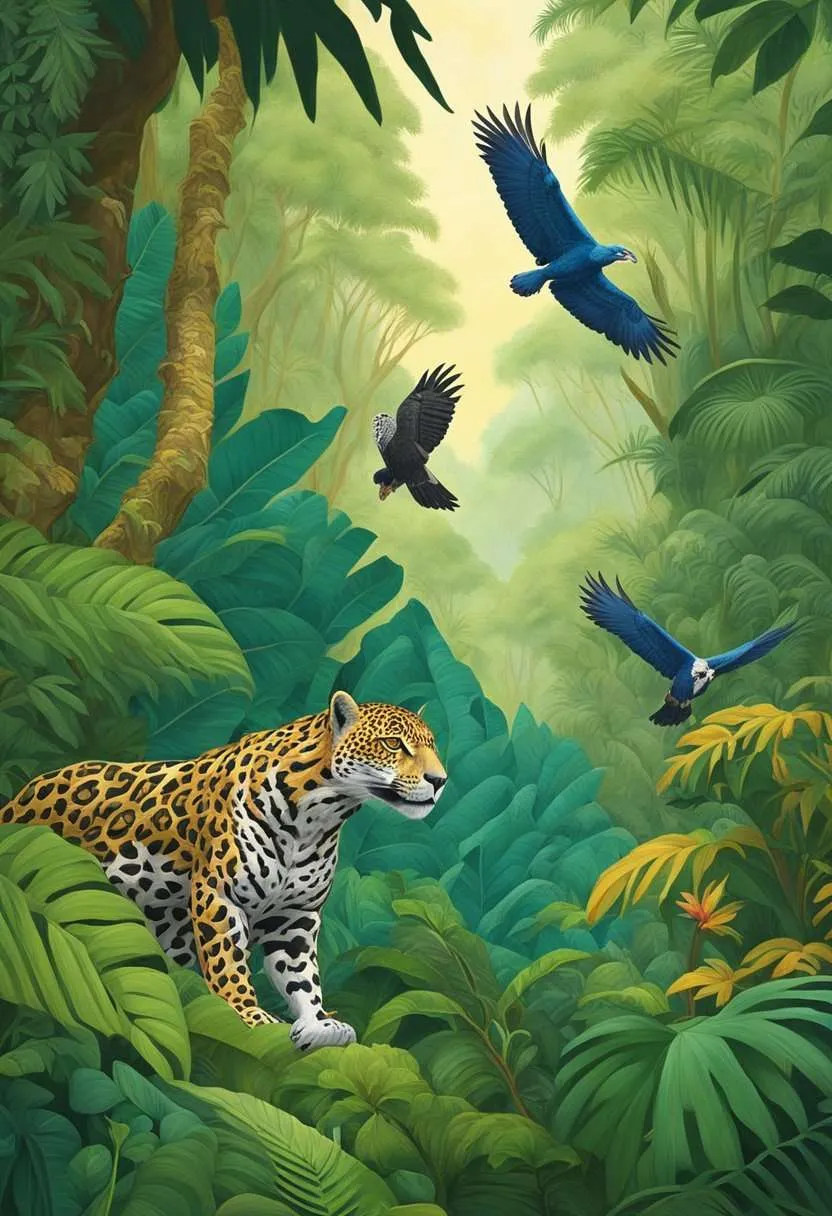
Keystone apex predators
- Jaguars: A powerful big cat patrolling riverbanks and forest floors, hunting anything from deer-like mammals to reptiles.
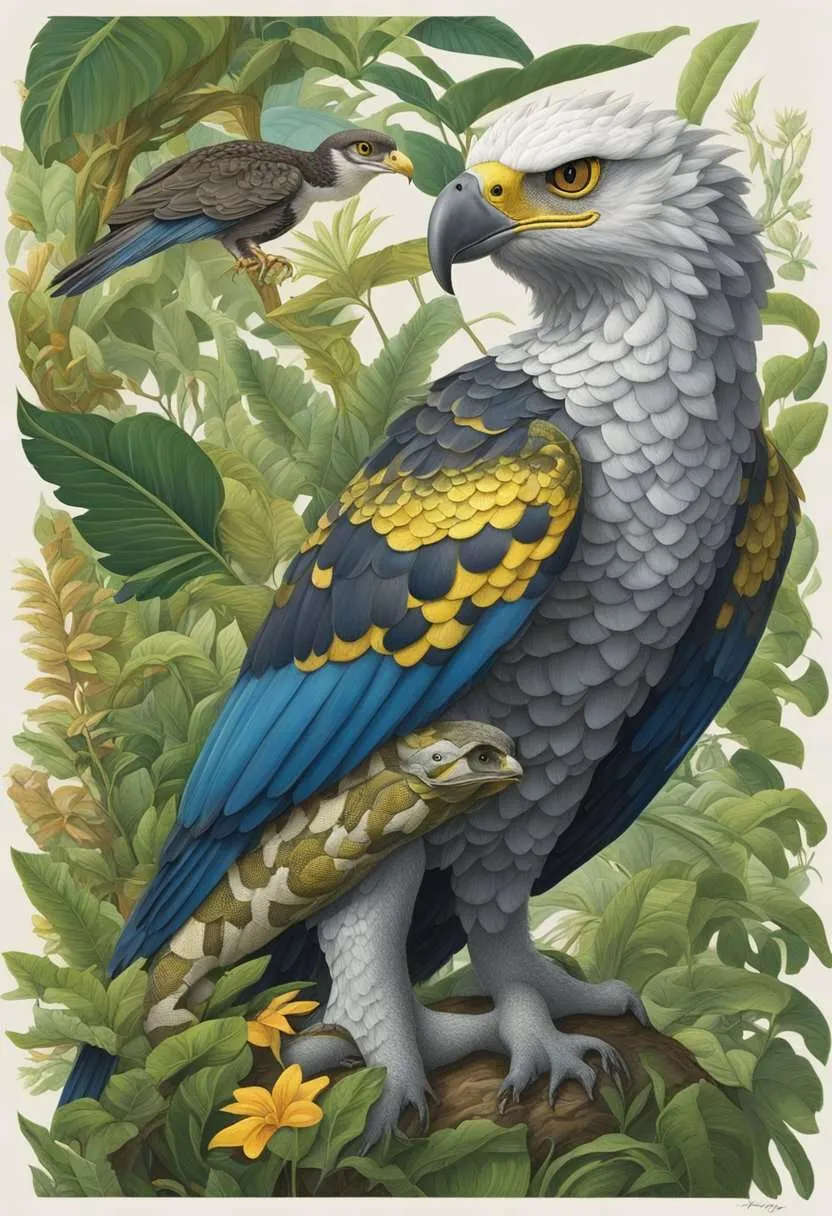
- Harpy eagles: Master hunters of the canopy, preying on monkeys or sloths.
- Anacondas and other giant snakes: Ambush predators lurking in water or thick vegetation, including the green anaconda, known for its stealth.
Balancing the ecosystem
Apex predators control populations of herbivores and smaller predators. By regulating species numbers, they prevent overpopulation and ensure no single group overwhelms the environment.
The entire system can unravel when apex predators are lost (often due to forest loss, hunting, or predator loss events).
Decomposers, scavengers, and nutrient cycling
When plants and animals die, decomposers (fungi, bacteria) and scavengers (vultures, insects) dismantle organic matter, restoring essential minerals to the soil.
These processes support soil microfauna and maintain nutrient availability critical for robust plant growth.
- Bacteria and fungi: Break down complex molecules, fertilising the forest floor.
- Detritivores: Worms and certain insects consume dead plant or animal matter, speeding up decomposition.
- Scavengers: Vultures, beetles, and other creatures feed on carcasses, leaving remains for microbes to finish off.
This seamless recycling of matter supports lush plant regrowth. This forms a continuous nutrient loop vital to rainforest productivity.
The complex rainforest food web
Rather than a linear “chain,” the tropical rainforest has a vast web of interdependent relationships. One species’ survival often relies on multiple connections:
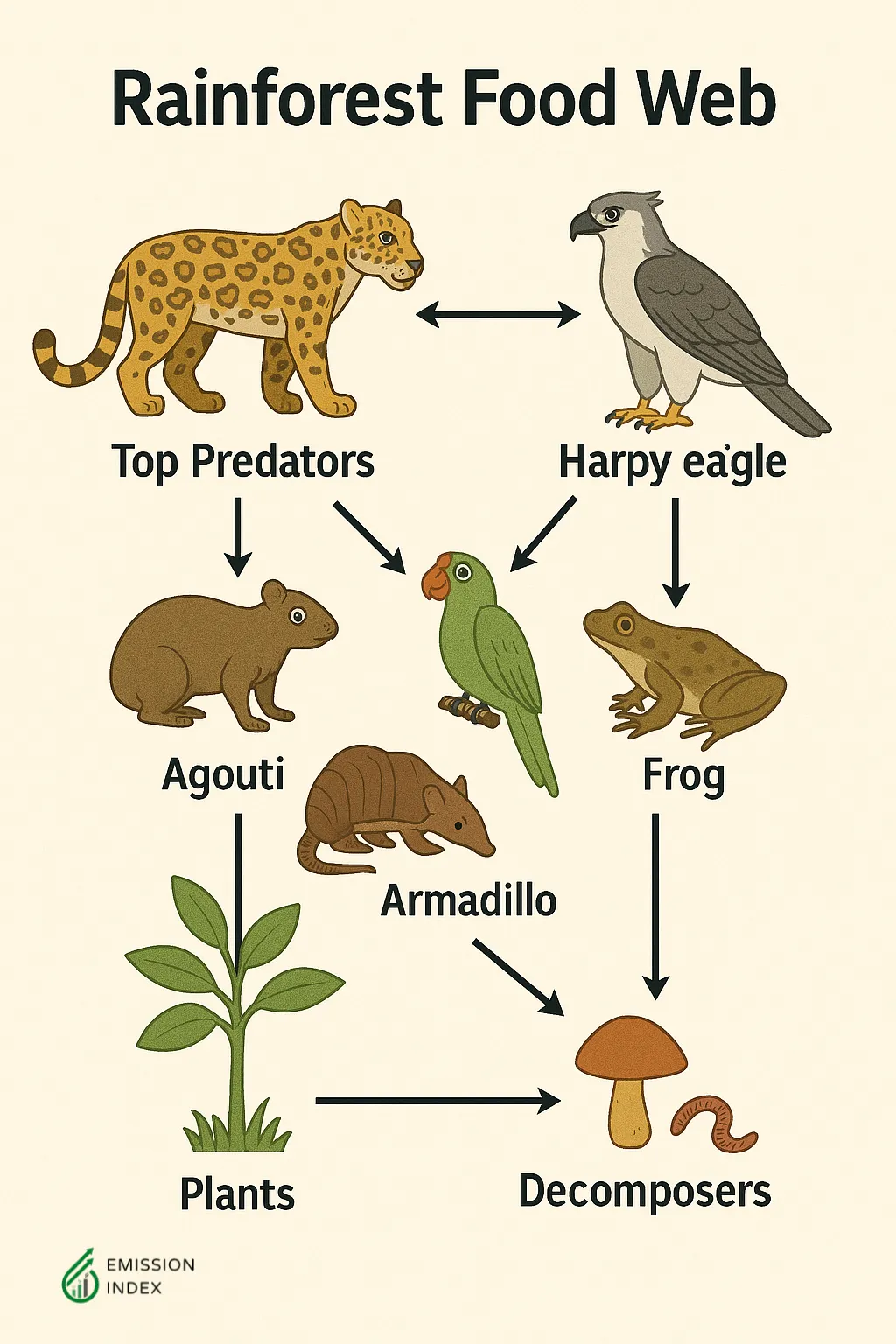
- Producers make energy available via photosynthesis.
- Herbivores consume plants and spread seeds.
- Predators control herbivore populations, preventing ecosystem collapse.
- Decomposers recycle waste and dead matter back into the soil.
Each level is dependent on the one below it for energy, culminating in a delicate balance. But it is not a peaceful coexistence; it thrives on competition.
Predators vie for prey and plants for sunlight. Amidst this competition, biodiversity flourishes, with a wealth of species rarely seen elsewhere.
Rainforest layers and biodiversity
Tropical rainforests exhibit a multilayered structure, each tier offering unique habitats and microclimates. This vertical complexity underpins the rainforest’s extraordinary biodiversity, giving rise to specialised adaptations and intricate species interactions.
Canopy
Often 30–40 metres above the ground, the canopy is awash with sunlight. Towering trees form a dense roof of leaves and branches, creating habitats for epiphytes (plants growing on trunks or branches) and providing fruits, nectar, and seeds.
Birds like toucans and monkeys thrive here, enjoying relatively abundant food sources and shelter from ground-based predators.
Understory
Beneath the canopy lies the understory, a dimmer world of filtered light. Plants must adapt to lower sunlight levels, often relying on insects or animals for pollination and seed dispersal.
Frogs, snakes, and small mammals lurk among thick foliage, using shadows and camouflage to evade predators or ambush prey. This layer forms a critical link between the vibrant canopy and the darker forest floor below.
Forest Floor
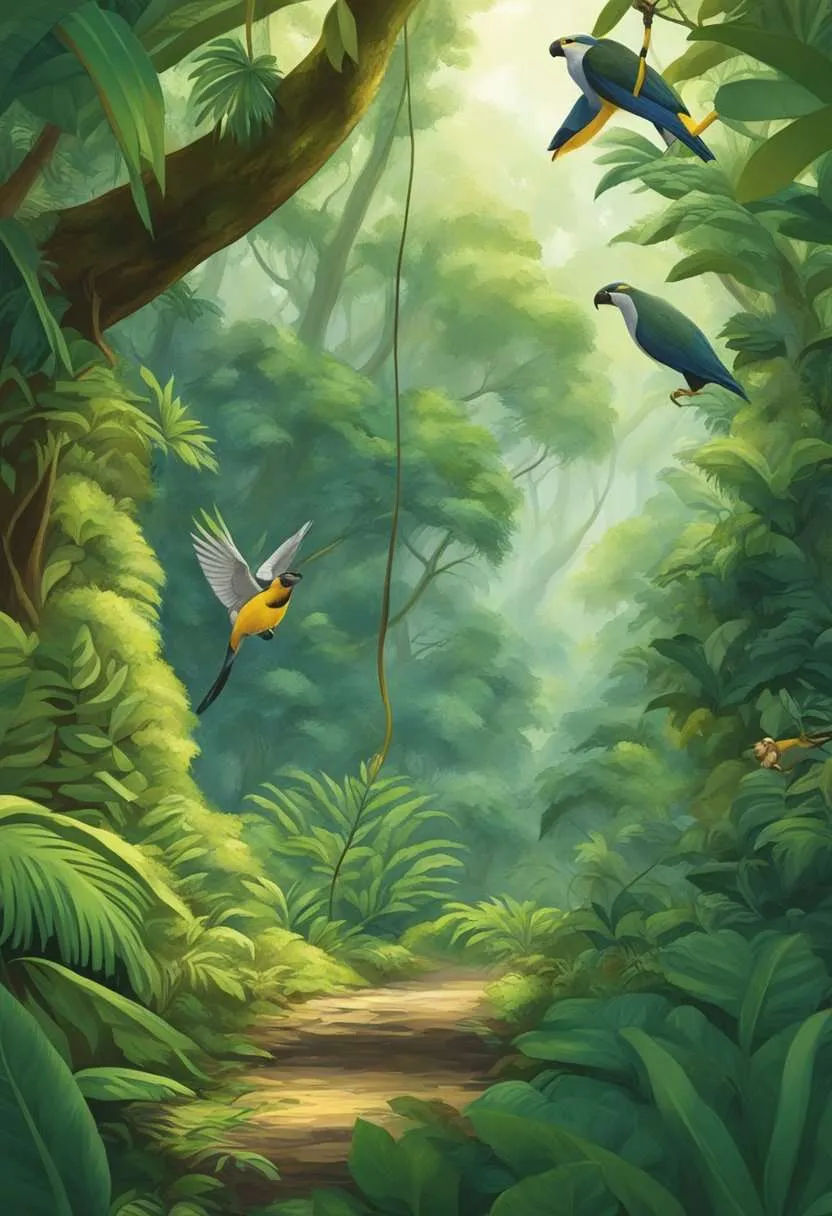
At ground level, the forest floor receives minimal sunlight (only about 2% of what filters through the canopy). Here, fungi, bacteria, and detritivores (e.g. worms and beetles) break down fallen leaves, branches, and animal remains, recycling nutrients into the soil.
Large mammals like tapirs or peccaries rummage for seeds and shoots, helping disperse seeds to new locations. Despite the limited light, this layer underpins the rainforest’s fertility and supports countless organisms that sustain the ecosystem as a whole.
Each layer interacts and overlaps, with some species (like certain birds and insects) shuttling between levels for food or nesting. This vertical diversity is comparable to a sprawling, multi-storey community, where life flourishes at every height.
Human Interactions and conservation
Humans have long shaped rainforest ecosystems, both positively and negatively. Local communities often rely on the forest for agricultural resources while stewarding biodiversity with age-old traditions.
Meanwhile, industrial activities threaten to unbalance these delicate systems, pushing many species to the brink.
Beneficial human activities
- Community-led conservation: Indigenous groups and local communities utilise traditional knowledge to manage forests sustainably, often creating protected territories that preserve forest species for future generations.
- Shade-grown agriculture: Farms growing cacao, coffee, or other crops under native trees help mimic natural layers, supporting bird and insect habitats while securing livelihoods.
Threats and challenges
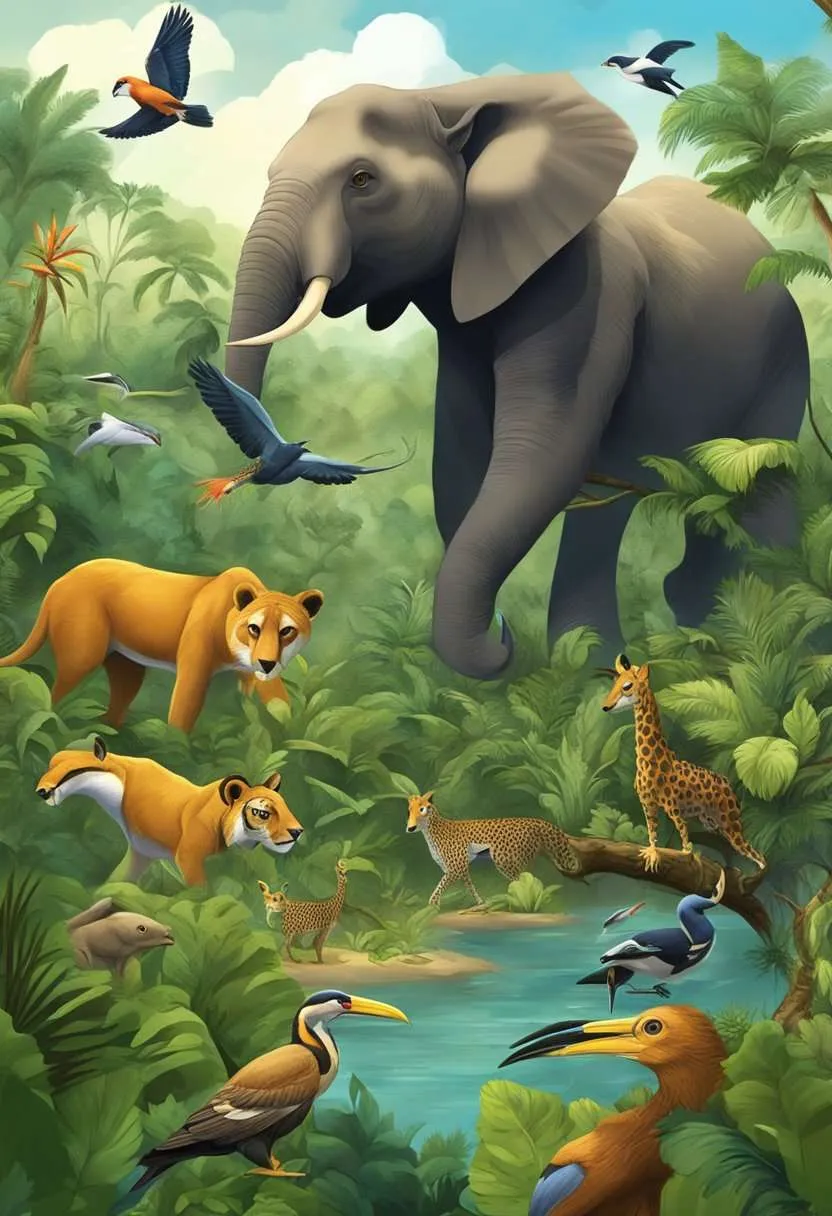
- Deforestation: Commercial logging, mining, palm oil plantations, and large-scale agriculture clear swathes of rainforest, releasing carbon stored in trees and undermining habitats.
- Overexploitation: Illegal hunting for the pet trade, skins, and exotic meats removes key predators and prey, disrupting population balances.
- Climate change: Rising temperatures and shifting rainfall patterns stress rainforest species, affecting reproductive cycles, food availability, and habitat viability.
Global Significance
Rainforests act as major carbon sinks, sequestering greenhouse gases like CO₂ and bolstering global ecosystem resilience.
They also generate a high proportion of the world’s oxygen and harbour innumerable species, many of which remain undiscovered.
When we lose tropical forests, we jeopardise ecological stability alongside vital resources like clean air, freshwater, and medicinal plants.
Adaptations and survival strategies
Competition for light, nutrients, and prey in this biodiversity hotspot has driven co-evolution, often creating an evolutionary arms race where each species hones new strategies to outcompete rivals or evade predators.
These traits can be defensive, offensive, or purely opportunistic, each honing a species’ chance of survival in this dynamic environment.
- Plant defences: Thick waxy leaves with “drip tips” shed water swiftly, discouraging fungal growth. Many species produce toxins or sport thorns to deter herbivores (or even larger predators).
- Animal camouflage: Snakes, lizards, and insects adopt colours or shapes mimicking leaves, bark, or even moss, blending into the background to hide from predators or stalk prey.
- Warning colours: Creatures like poison dart frogs showcase bold hues (reds, yellows, or blues) to signal toxicity and fend off would-be predators.
- Cooperative behaviours: Certain primates forage together, sharing vigilance against predators. Leafcutter ants cultivate fungal gardens, converting otherwise inedible leaves into a valuable energy source.
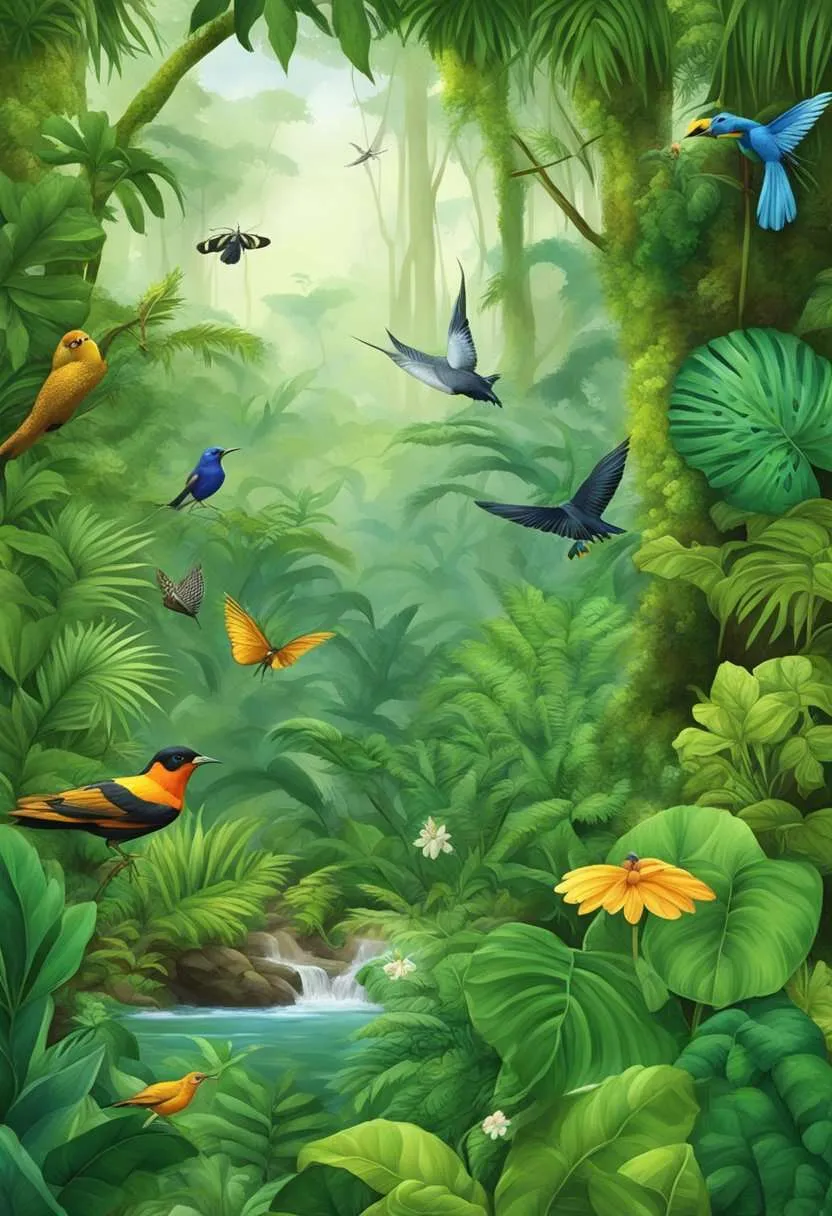
By evolving in tandem with their surroundings, rainforest inhabitants continue to fill niches across the canopy, understory, and forest floor. Their creativity in surviving under harsh, competitive conditions illustrates the resilience of life in these lush, teeming habitats.
Summing up
The tropical rainforest food web is an intricate interplay of sunlight, plants, herbivores, predators, and decomposers. Layer by layer, each organism supports or regulates another. Their combined efforts recycle nutrients, maintain population balances, and preserve rich biodiversity. Yet human-driven pressures threaten these habitats daily.
Protecting these intricate food webs is paramount for future sustainability and climate regulation. By safeguarding rainforests, we also support the oxygen cycle and ensure these habitats remain resilient for future generations.
By recognising the rainforest’s global importance (its carbon sequestration, oxygen production, and unmatched biodiversity) we can appreciate the urgent need for conservation. From community-led initiatives to sustainable farming, every effort counts toward saving these lush green worlds and the delicate food webs that sustain them.