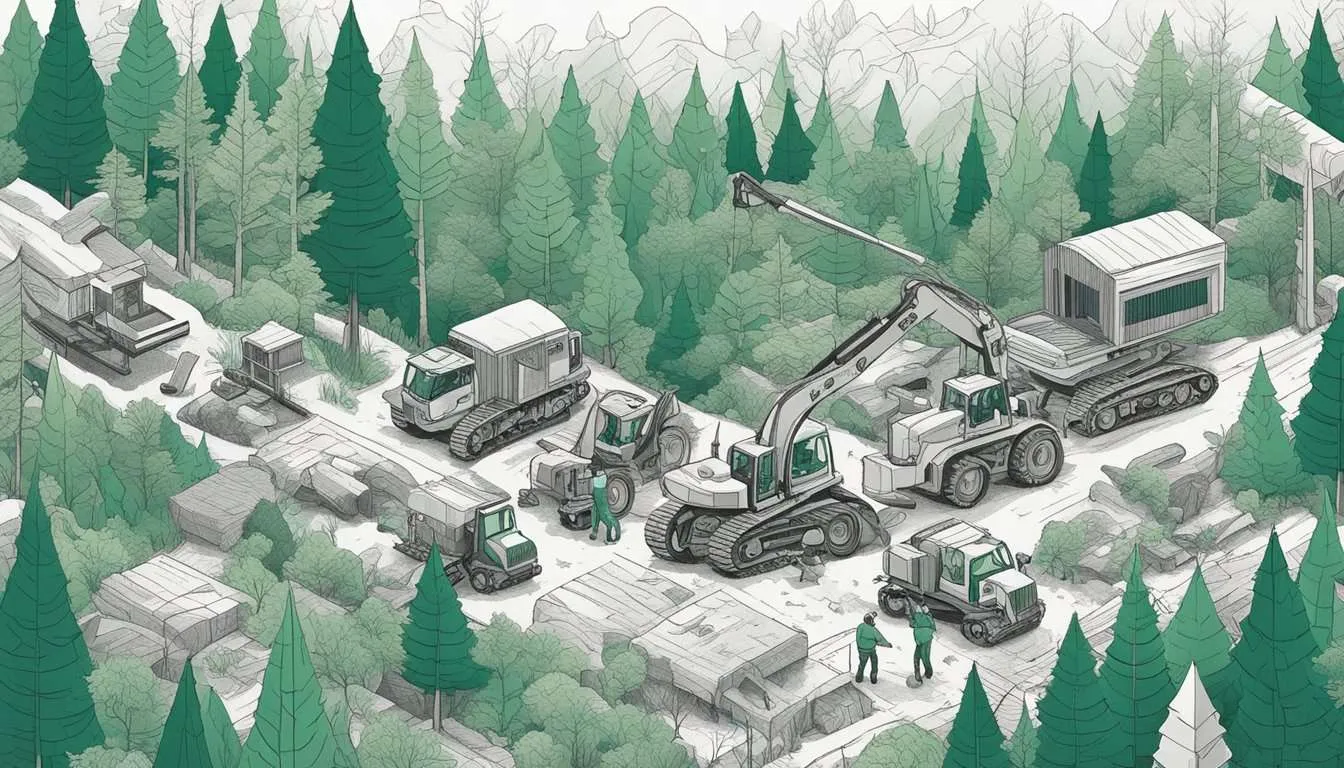
Deforestation is both an ethical and environmental issue
Discussing the moral implications of deforestation and its effects on biodiversity and communities. Learn about the ethical arguments for and against this practice.
 Written byRob Boyle
Deforestation is both an ethical and environmental issue
Deforestation reveals the impact of human activity on the environment. This practice is not merely an environmental issue. It raises ethical issues as ancient forests are destroyed.
Ultimately, we must ask ourselves: is it ethical to harm the planet for future generations to satisfy modern human comfort and economic growth?
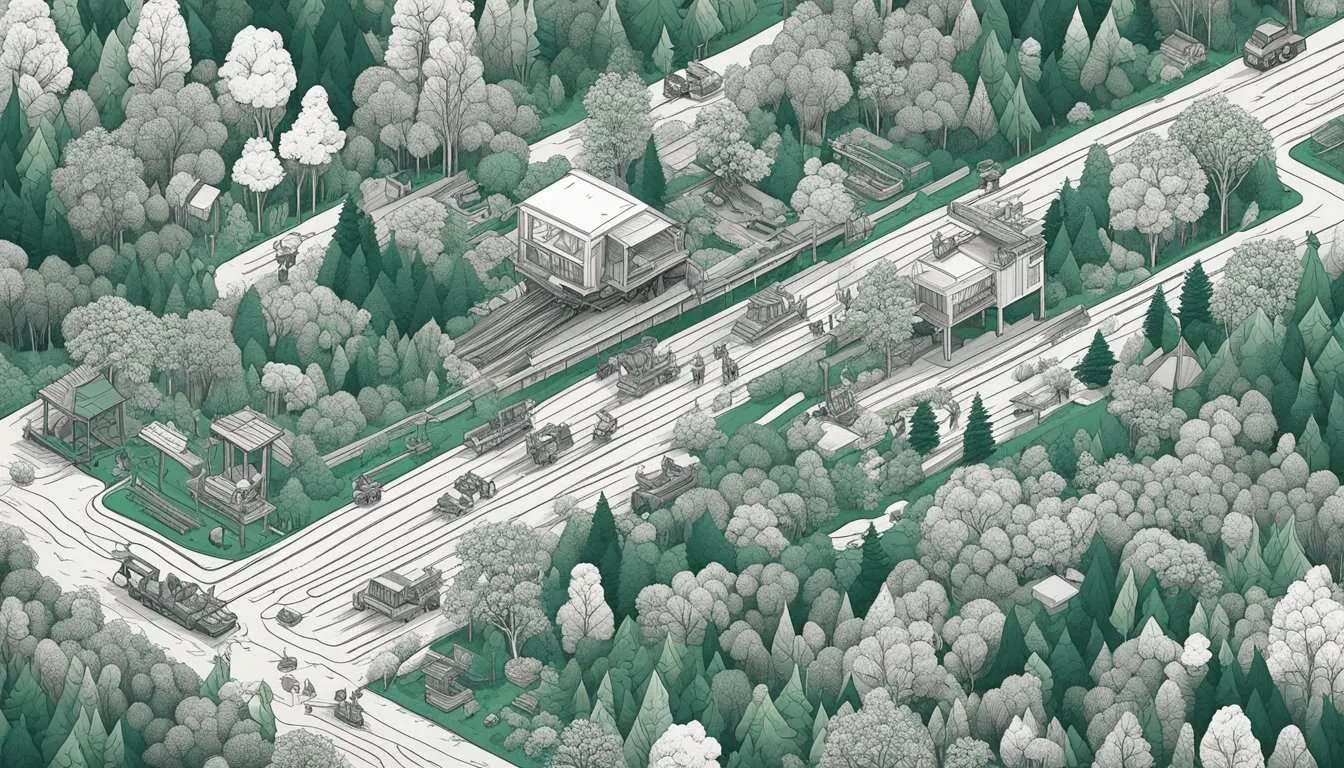
It is an ethical issue beyond the immediate desire for land or wood. It sprouts questions on the rights of indigenous people and the custodianship of biodiversity.
The ethics of deforestation encompass a broad spectrum of considerations, from the loss of habitat to the global impact of climate change.
Each tree felled is a loss of timber and a complex ethical question that society must grapple with.
The ethical perspective
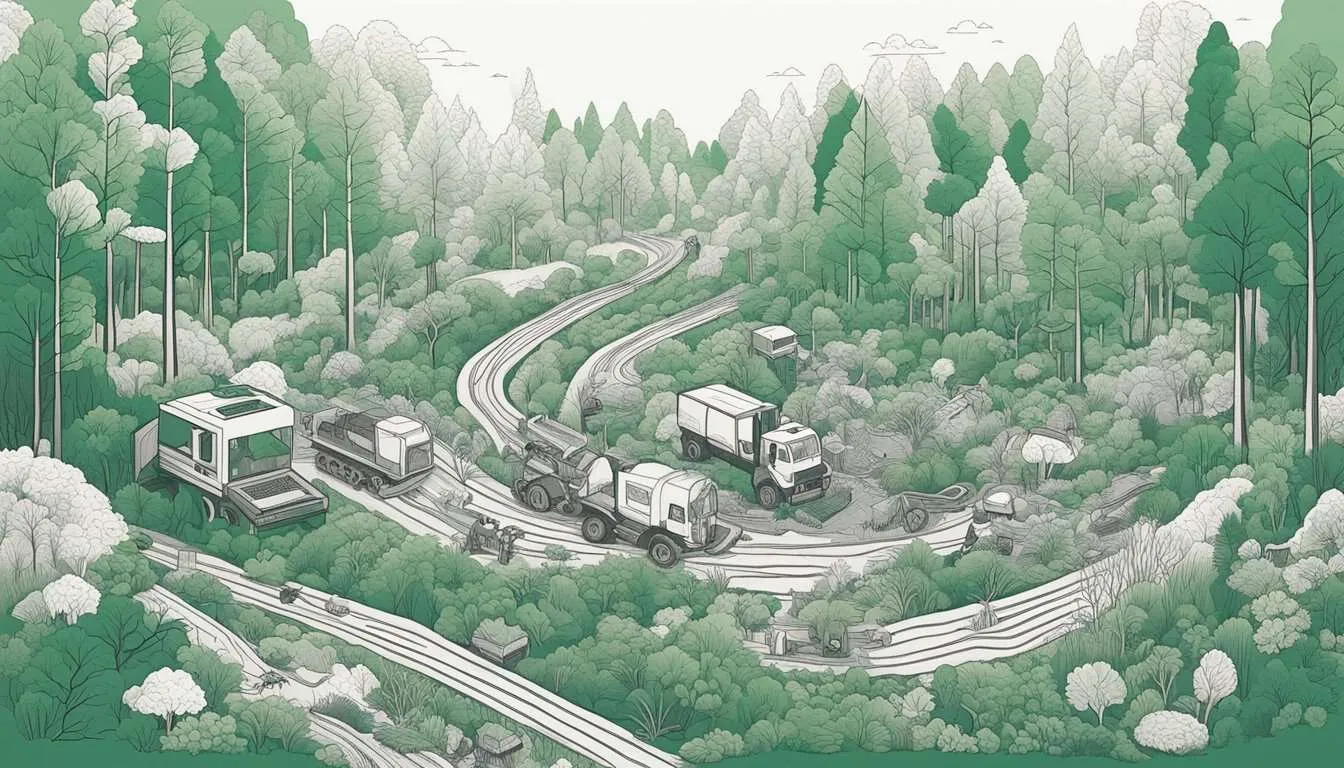
The discussion on whether deforestation poses an ethical dilemma hinges on understanding the core principles of environmental ethics and the intrinsic value of ecosystems.
Defining environmental ethics
Environmental ethics is a branch of philosophy that considers the moral relationship between humans and planetary health.
It asks pivotal questions about what is right and wrong in dealing with the natural environment.
Specifically, it examines how human actions affect the planet’s health and inhabitants.
- Core concepts: duty, rights, justice, and welfare.
Intrinsic value of ecosystems
Ecosystems possess an intrinsic value that extends beyond mere utility to humans.
Recognising this inherent value is fundamental to addressing ethical concerns associated with environmental exploitation, such as deforestation.
- Key attributes: diversity, complexity, and rarity.
- Recognition: Assigning value to living entities irrespective of human use.
Deforestation and ethical aspects
Deforestation poses ethical dilemmas due to its impact on society and the environment
https://www.youtube.com/embed/7eGrzGc3X-Q
These include the drivers behind deforestation, its global ecological consequences, and the moral considerations attached.
One ethical dilemma is the choice between clearing land for agriculture to feed growing populations and conserving forests to protect biodiversity and combat climate change.
Causes of deforestation
Deforestation results from a complex interplay of factors. Some of the primary causes include:
- Agricultural expansion: Farming practices demand the clearing of forests.
- Logging activities: Timber extraction for commercial purposes leads to habitat destruction.
- Infrastructure development: Public and private construction projects often replace green spaces.
Each of these activities has justifications within economic development contexts. Yet, they pose ethical questions regarding sustainability and custodianship of natural resources.
Global climate change and the loss of biodiversity
The relationship between deforestation and global climate change is intricate and concerning:
- Carbon storage: Trees capture carbon dioxide, and their removal accelerates atmospheric CO2 levels.
- Biodiversity: Forests are home to diverse species, with deforestation leading to substantial biodiversity loss.
Ethically, the impairment of ecosystems and the release of greenhouse gases present an obligation to consider how actions today will impact future generations and other species.
Climate change and ethics
The ethical debate surrounding climate change involves a range of philosophies:
- Inter-generational responsibility: Is it reasonable to leave a degraded environment for future inhabitants?
- Biodiversity value: Should we acknowledge the intrinsic value of biodiversity for conservation purposes, even if it doesn’t provide any benefits to humans?
An ethical approach to deforestation requires balancing human needs with preserving the integrity of ecosystems, ensuring all life’s sustained well-being.
Cultural and social dimensions
Deforestation not only transforms landscapes but also profoundly affects the cultural fabric and social structures of communities.
It intersects with community rights and education, shaping public discourse and media narratives.
Positive and negative social impacts of deforestation on community and indigenous rights
Deforestation often conflicts with the rights of indigenous and local communities.
Socially, deforestation can lead to short-term economic benefits through timber sales and land clearance for agricultural development.
However, these are often overshadowed by long-term negative impacts such as loss of livelihoods for communities dependent on forests, displacement of indigenous populations, and degradation of cultural values.
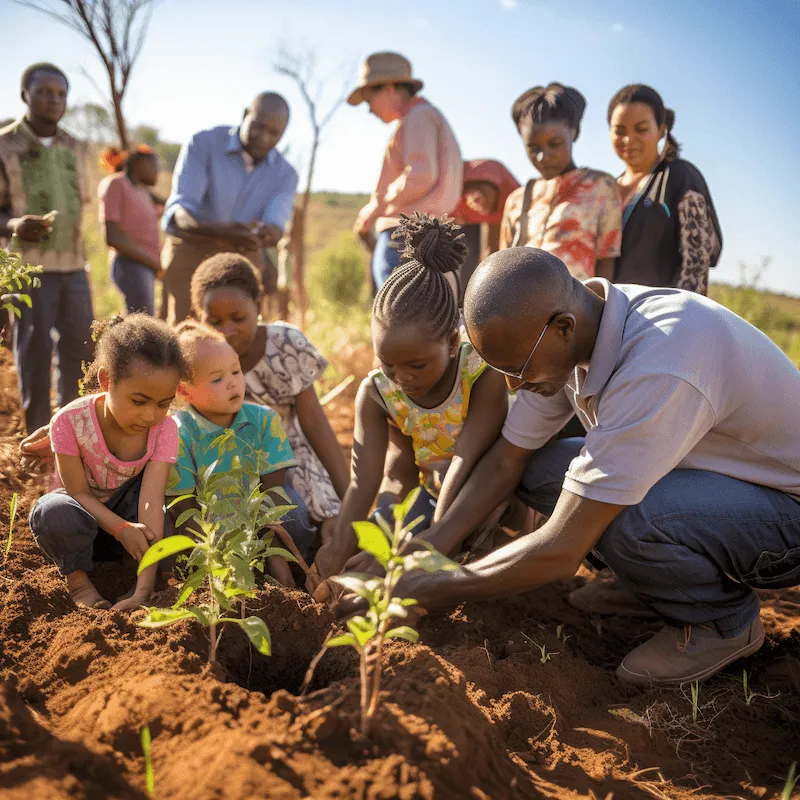
For many indigenous groups, forests are not merely resources to be exploited but sacred spaces rich with cultural significance.
Education and public awareness
Effective education is the seedling from which awareness and change can grow. It’s crucial in elevating the conversation around deforestation and empowering individuals with knowledge to take action.
Policy and governance
The interplay between ethics and deforestation is increasingly recognised in policy and governance frameworks.
Global bodies play a crucial role in steering the conversation on sustainable development.
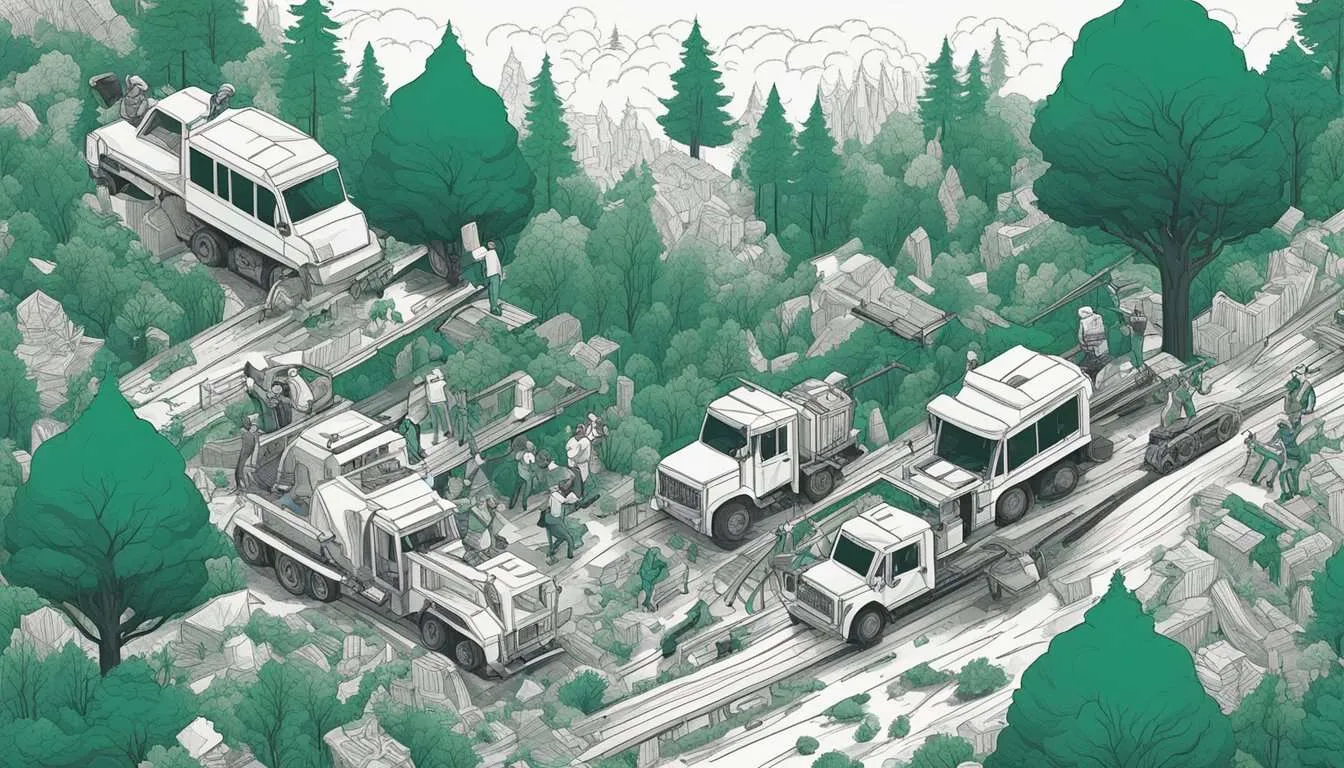
National and international regulations
National policies are the bedrock of how countries manage their forest resources. They set the legal parameters for activities like logging and often balance economic gains with environmental stewardship.
International regulations, on the other hand, are crucial for tackling deforestation that transcends borders. They aim to harmonise actions by setting common standards and establishing reporting guidelines to monitor progress.
For example, the concept of avoided deforestation is an evolving policy approach that seeks to align ethical considerations with environmental protection objectives.
National regulations often include:
- Permissions for land use
- Protection for certain forest types
- Incentives for maintaining forest cover
International regulations may involve:
- Agreements on emissions reductions from deforestation
- Guidelines for sustainable land management
- Mechanisms for technology transfer among countries
Role of United Nations and UNESCO
The United Nations plays a pivotal role in global environmental governance, with several agencies collaborating to combat deforestation.
These efforts are deeply connected to the values of sustainable development and the obligation to uphold environmental integrity.
UNESCO, a UN agency, contributes by designating protected areas such as Biosphere Reserves, World Heritage sites, and Geoparks to safeguard biodiversity against the threat of forest loss.
Both entities work towards implementing public policies that reflect a commitment to the ethical management of forests.
UN initiatives include:
- The United Nations Framework Convention on Climate Change (UNFCCC)
- Sustainable Development Goals (SDGs), especially Goal 15 – Life on Land
UNESCO’s contributions:
- Promotion of educational and scientific programmes
- Encouragement of ethical reflections on land-use decisions
Sustainable practices and conservation
Transitioning to sustainable practices is akin to setting a course for a ship. One must navigate with precision and foresight to reach a destination that benefits all.
Implementing sustainability in development
Sustainable development hinges on integrating environmental concerns with economic and societal goals.
Critical to this union are:
- Educational programmes: They must equip faculty with the tools to promote sustainability.
- Opportunities for hands-on training: This prepares future generations to make informed decisions and implement eco-friendly measures effectively.
Integrating sustainable methods can prevent environmental degradation and mitigate effects like fires, which are often a consequence of poor land management practices.
Conservation efforts and reforestation
At the core of conservation is the drive to restore and protect. Efforts include:
- Reforesting areas affected by deforestation: A task that involves planting native species to rebuild ecosystems.
- Creating conservation programmes: Aimed at preserving habitats and biodiversity, these efforts can bolster the resilience of forests against natural disasters.
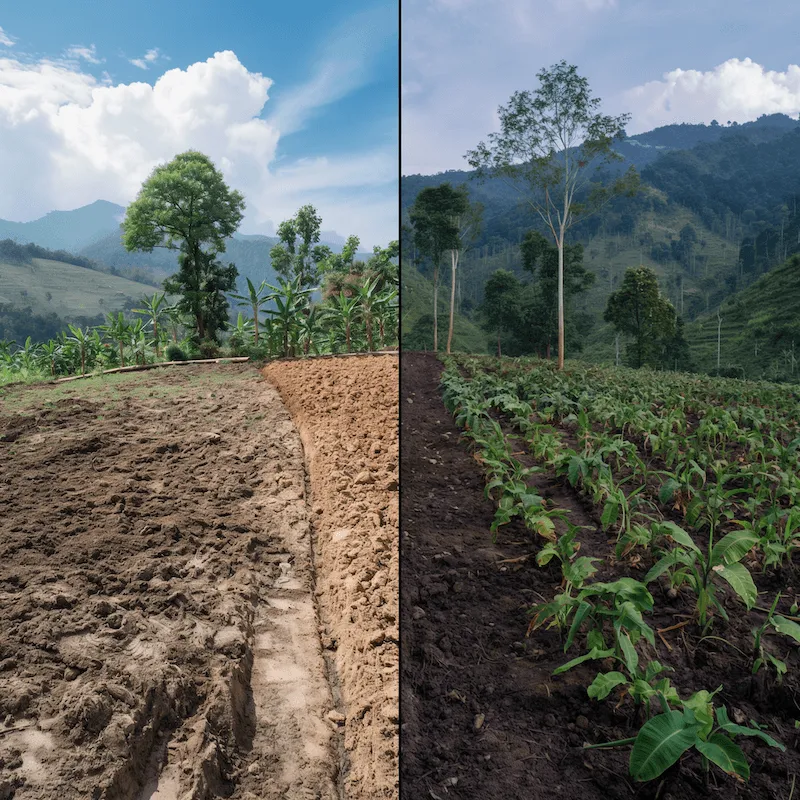 Before and after shots of deforested land being converted into agroforestry
Engaging stakeholders and communities
The ethical quandary of deforestation requires that all voices, especially those directly impacted, are heard.
The dialogue between these groups can shape both local livelihoods and global environmental policies.
Balancing competing interests
- Local communities often depend on forests for survival, yet they face the repercussions of deforestation led by industrial demands.
- Growth and development: While economic expansion can offer short-term gains, it must consider the sustained health of both the environment and societies.
- Scholarship and reports: Publications highlight the critical balance needed between resource extraction and maintaining ecological integrity.
Collaborative opportunities and responsibility
- Publications: They’ve documented successful cases of stakeholder collaboration leading to more responsible deforestation practices.
- Shared responsibility: Both local and international stakeholders must join hands to ensure ethical standards are met.
- Community engagement must transcend mere consultation to involve community partnership in steering deforestation activities.
Ethical approaches to prevention and mitigation
Tackling deforestation ethically requires bold steps to prevent harm and mitigate risks.

Preventing pollution and fires
Efforts to prevent pollution and fires are critical. They target the root causes that exacerbate deforestation.
One key strategy includes the strict regulation of industrial emissions near forests.
A focus on initiatives that curb the incidence of fires, such as community education, is also vital:
Mitigating environmental injustice and vulnerability
To mitigate injustices and vulnerabilities that arise from deforestation, incorporating local needs and knowledge is critical. This requires inclusive policies that protect indigenous rights
Addressing environmental risks means creating buffer zones around vulnerable areas to protect against deforestation spillover.
Case studies and expert perspectives
In the realm of forestry, ethical considerations intertwine with ecological sustainability.
Experts tackle these complex issues, seeking a balance between resource use and environmental stewardship.
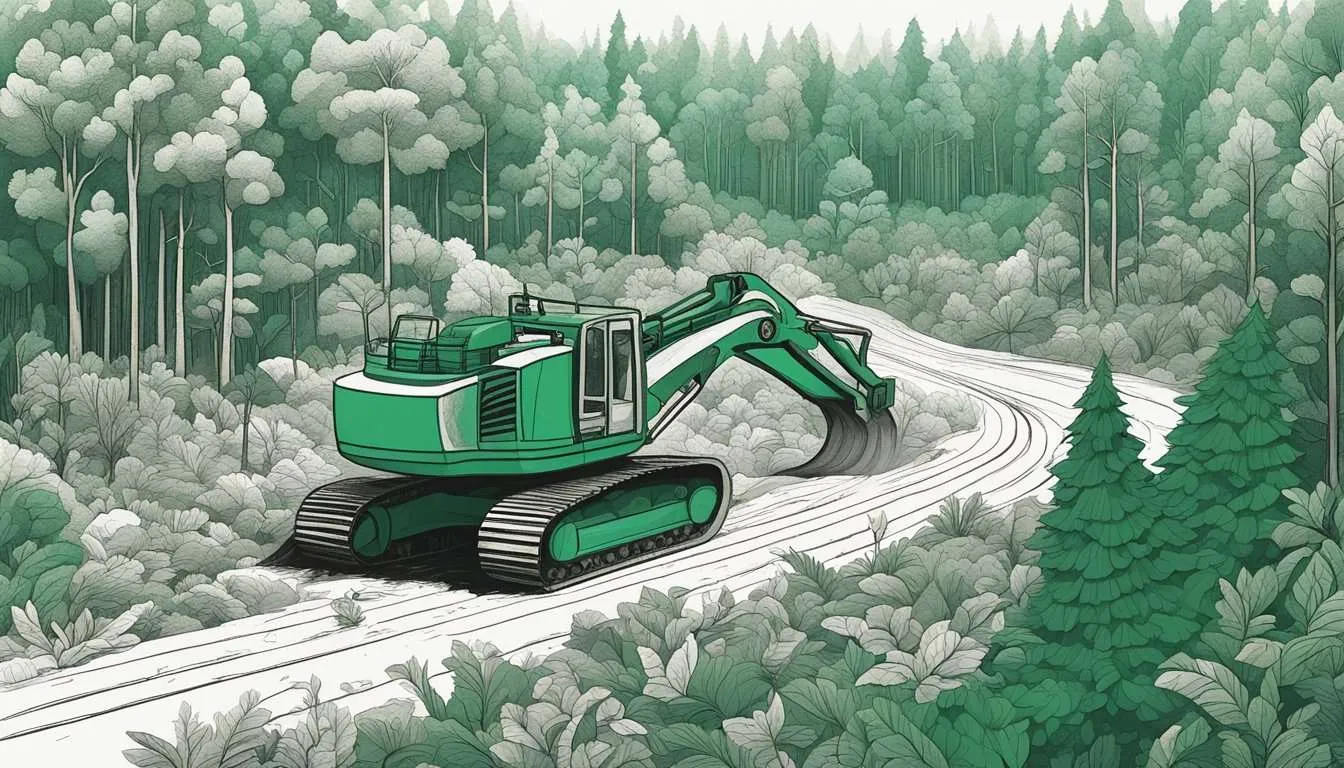
Best practices in ethical forestry
Ethical forestry is not just about preserving trees; it’s about maintaining the balance of the ecosystem. Best practices include:
- Selective logging: Targeting specific trees while preserving the overall structure and health of the forest.
- Continuous cover forestry: This technique ensures that forests are never entirely cleared, supporting ecosystem services like soil conservation and water cycle regulation.
The moral minefield of ethical oil palm and sustainable development highlights the delicate balance required in ethical forestry, demonstrating the complexities in practice.
Scholarships and expert analysis
Scholarships in this field fuel research into sustainable methods and the ethical implications of deforestation. They often lead to insightful:
- Reports that dissect the relationship between deforestation, climate change, and society.
- Analysis by scholars that scrutinise policies and assess their long-term environmental impact.
Articles such as Principles of justice in proposals and policy approaches to avoided deforestation provide expert perspectives on these issues, underlining the role of ethics and the environment in shaping policy.