
The ethical pros and cons of lab-grown diamonds
If you're curious about the ethics of diamond production, explore the concept of lab-grown diamonds.
 Written byRob Boyle
Lab-grown diamonds are generally considered more ethical due to their reduced environmental impact and absence of human rights abuses often linked to mining.
However, their lower resale value and potential effects on mining communities’ economies present ethical dilemmas. They offer a sustainable alternative but don’t fully resolve all concerns.
As the demand for ethical and sustainable products rises, lab-grown diamonds have sparked debate about their environmental and social impact.
They present a compelling alternative to traditional mined diamonds, but do they truly live up to the ethical standards consumers are seeking?
Well, we’ll be going over:
- How do lab-grown diamonds compare to mined diamonds in terms of environmental impact?
- What are the social and economic implications of choosing lab-grown over mined diamonds?
- Are lab-grown diamonds truly more sustainable, or do they come with hidden costs?
Let’s dive in!
The ethical pros and cons of lab-grown diamonds
The quest for the perfect gem often leads one to the junction of beauty and morality, especially when pondering the purchase of diamonds.
Lab-grown diamonds are a controversial alternative to mined diamonds, raising questions about their ethical implications.
One cannot deny the allure of these glittering stones, created with precision in controlled environments, nor ignore the ethical questions surrounding traditional diamond mining.
However, the decision isn’t clear-cut.
Lab-grown diamonds, also known as cultured or synthetic diamonds, offer benefits like a smaller environmental footprint, which is a plus for those concerned with climate change.
Yet, questions about their long-term value and the economic impact on mining communities linger.
It’s a complex issue where technology and tradition collide, each with pros and cons.
Understanding the diamond industry
In fine jewellery, diamonds represent the pinnacle of luxury and romance, notably when featured in engagement rings.
A thorough understanding of diamonds covers their inherent properties and the difference between their natural and synthetic counterparts.
Natural vs lab-grown diamonds
One finds natural diamonds deep within the Earth, where high pressure and temperatures crystallise carbon over billions of years. They are then mined, cut, and polished before reaching the market.
Lab-grown diamonds, also known as synthetic or artificial diamonds, are created in a controlled laboratory setting using technologies such as High-Pressure High Temperature (HPHT) and Chemical Vapor Deposition (CVD). These processes imitate nature’s conditions to produce diamonds at a quicker rate.
Natural diamonds:
- Formed over 1-3 billion years
- Extracted through mining operations
Lab diamonds:
- Created within weeks to months
- Produced using HPHT or CVD
The debate regarding ethics primarily focuses on the environmental impact and the human cost of natural diamond mining versus the lower ecological footprint of laboratory creations.
Physical and chemical properties
Diamonds, whether formed in the Earth or a lab, share identical chemical and physical properties. They are made of pure carbon and are unrivalled in hardness on the Mohs scale, making them incredibly durable for fine jewellery such as engagement rings.
Hardness
A shared attribute of both types with a Mohs scale rating of 10.
Clarity, cut, and colour:
- Essential factors that determine a diamond’s value
- Both natural and lab diamonds can exhibit variations in these qualities
Market overview
The diamond market offers a variety of choices spanning from traditional and well-known brands like De Beers, known for their natural diamonds, to newer entities such as Clean Origin and Lightbox, which champion lab-grown alternatives.
The entry of lab-made diamonds has also provided consumers with more budget-friendly options without compromising on the luxurious appeal of diamonds.
Natural diamonds
- Historically held greater market value
- Associated with luxury and status
Lab-produced diamonds
- Increasing market share; more accessible
- Promoted as ethical and sustainable
Both types of diamonds meet different consumer needs, whether it’s the tradition and romance linked to natural diamonds or the ethical and innovative qualities of lab-produced diamonds.
Ethical considerations
When choosing diamonds, one must weigh the ethical implications, such as the environmental cost of mining and potential human rights abuses, against the potential advantages of lab-created stones that may offer a more traceable and sustainable option.

Diamond mining impact
Mining for diamonds can lead to extensive environmental degradation. It often results in:
- Deforestation: Large areas of land are cleared, leading to water pollution and soil erosion issues.
- Ecosystem disruption: Local wildlife habitats are destroyed.
The repercussions for local communities can be severe, compromising their natural resources and way of life.
Labour and human rights
The diamond mining industry has been linked to:
- Exploitation: Workers may face harsh conditions.
- Child labour: Some operations exploit underage workers.
- Armed conflicts: Stones mined in war zones often fund armed rebel movements.
Despite the Kimberley Process’s efforts to stem the flow of ‘blood diamonds’, ethical concerns persist.
Environmental stewardship
Lab-grown alternatives are gaining attention as an ethical diamond that promises:
- Eco-friendly diamond production: Reduced ecological footprint compared to traditional mining.
- Greenhouse gas emissions: Some claim lower emissions, though this is debated.
They offer traceability and the potential for greater environmental sustainability. However, the full extent of their ecological benefits is still under scrutiny.
Economic and social factors
When deciding between lab-grown and mined diamonds, it’s not just the sparkle that counts but also the broader economic and social ripple effects. These choices have varying impacts on wallets and communities alike.

Cost comparison
- Mined diamonds typically fetch a higher price due to the perceived rarity and traditional appeal.
- Lab-created diamonds offer considerable cost savings and are considered more affordable, with some reports suggesting they can be 20-40% less expensive.
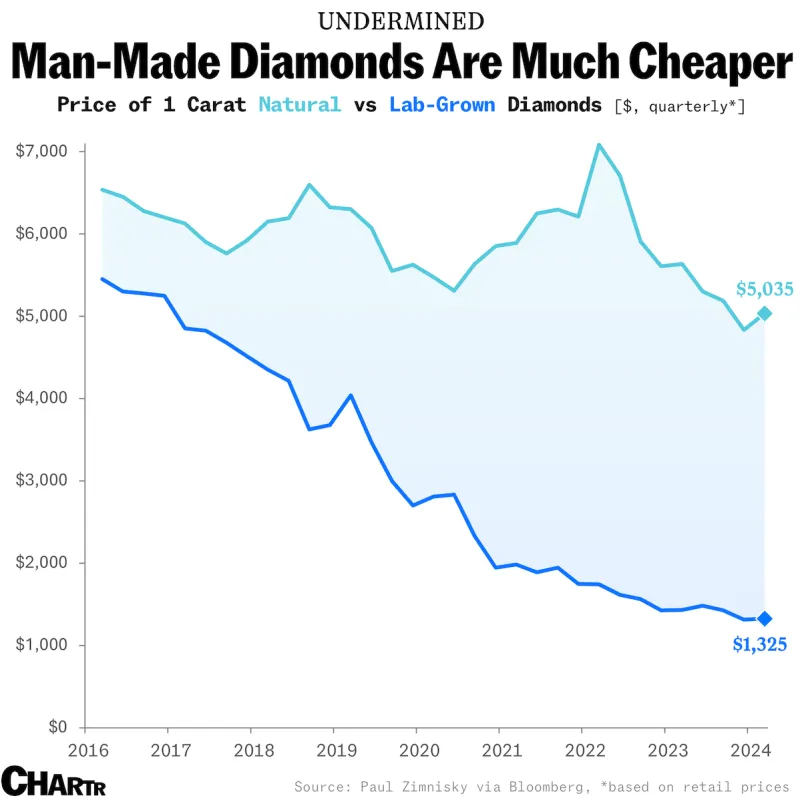
The cost of lab-grown diamonds has dropped dramatically over recent years (Source: https://sherwood.news/business/lab-grown-diamonds-can-now-be-made-in-150-minutes/) The cost of lab-grown diamonds has dropped dramatically over recent years (Source: https://sherwood.news/business/lab-grown-diamonds-can-now-be-made-in-150-minutes/)
Effect on local economies
- The mined diamond industry has historically been a significant source of employment for local communities, playing a crucial role in their economic structure.
- However, certain mining practices have been criticised for environmental and ethical reasons which might sway the balance when assessing overall value.
Consumer sentiment and value
- Sentimental value is often linked to the tradition of a diamond engagement ring, making mined diamonds desirable despite higher costs.
- Alternatively, lab-grown diamonds are gaining traction, aligning with a consumer sentiment that favours ethical choices over exclusivity and rarity.
Technological advancements
Technology is pivotal in aligning with lab-grown diamonds’ ethical standards and sustainability goals.
The methods employed and energy consumption efficiency are critical areas of focus.
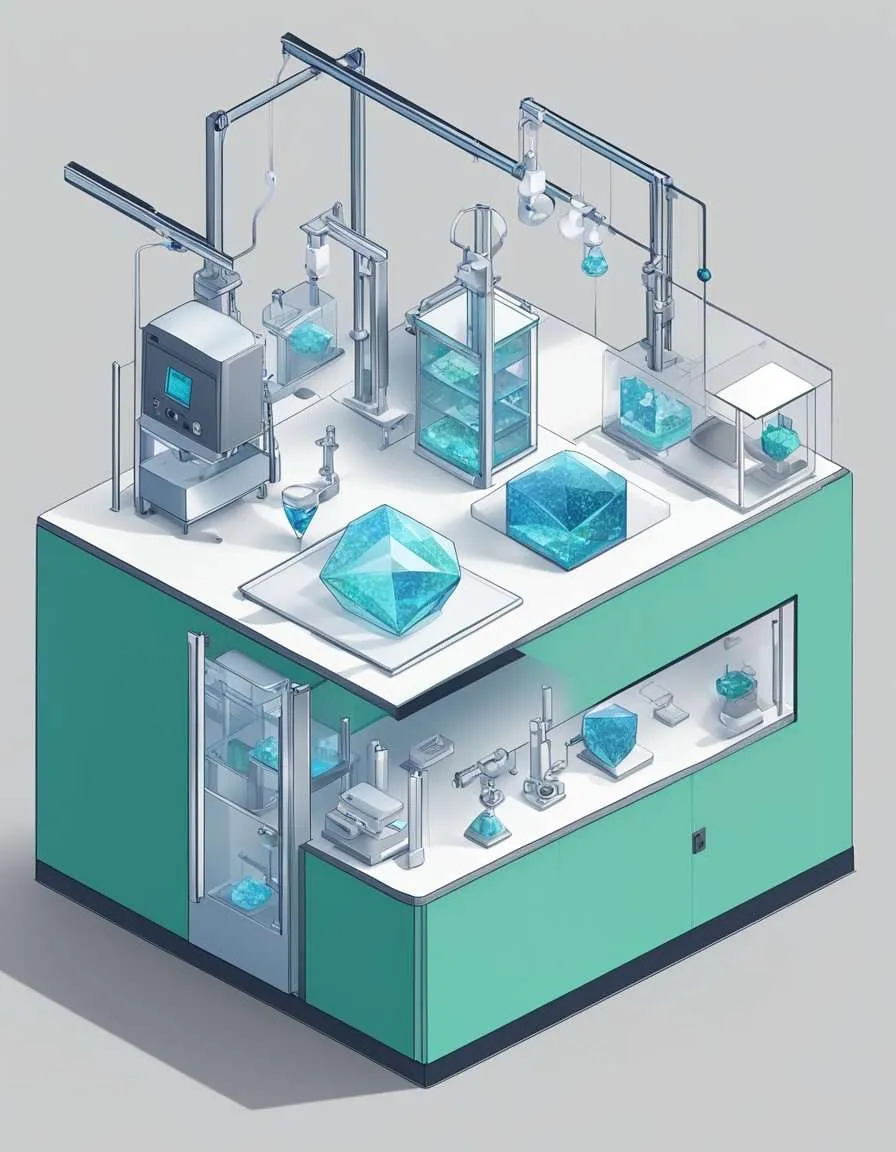
Production methods
- High-Pressure High Temperature (HPHT): This mimics the natural formation of diamonds below Earth’s surface. Intense pressures and high temperatures transform carbon into treasured stones within a controlled environment.
- Chemical Vapour Deposition (CVD): It involves depositing gaseous carbon onto a substrate to grow diamonds layer by layer in a vacuum chamber. This technology’s precision allows for greater control over the diamond’s properties.
Energy consumption and efficiency
- Man-made diamonds: Typically seen as more sustainable due to the potential for lower energy consumption than mining.
- Energy sources: Renewable energy is increasingly being used to power production, thereby reducing the carbon footprint associated with creating these gems using fossil fuels.
- Technological strides: Advancements continually improve efficiency, aiming to lower the energy used to create each lab-grown diamond carat.
Pros and cons of lab-grown diamonds
In the sparkling world of gemstones, lab-grown diamonds are the subject of much debate. While their origins differ from their mined counterparts, their brilliance competes equally.
Advantages of lab-grown diamonds
Lab-created diamonds offer significant environmental benefits, using less water and energy than mining. As a more ethical alternative, they prevent the disruption of ecosystems and avoid the hazardous labour conditions often associated with diamond mines.
They’re also known to be more affordable, which may appeal to budget-conscious consumers. Transparency in their origin is clear, with the Federal Trade Commission recognising the legitimacy of these gemstones.
- Lower environmental impact: Less disruption of natural habitats.
- Cost: Generally cheaper than mined diamonds.
- Ethical production: Fewer human rights concerns.
- Transparency: Clear origins guaranteed by the Federal Trade Commission.
Disadvantages of lab-grown diamonds
Despite these advantages, lab-grown diamonds carry certain disadvantages. The resale value can be lower; some buyers perceive them as less prestigious than natural diamonds.
The marketing of lab diamonds can also be less impactful, as traditional diamonds benefit from long-established branding synonymous with luxury and status.
- Perceived value: Often viewed as less prestigious than natural diamonds.
- Resale value: Tend to be lower compared to mined diamonds.
- Marketing challenges: Overcome established perceptions of mined diamonds’ exclusivity.
- Regulation: As a newer product, they have not been around long enough for clear regulatory guidance to be established.
For more on the pros and cons, see this breakdown by Elias from Greenville Diamond Jewelry.
https://www.youtube.com/watch?v=jklatYgqILc
Frequently asked questions
What are the environmental implications of choosing lab-grown diamonds?
Lab-grown diamonds are often heralded for their reduced environmental toll. They moot the need for mining, which can cause extensive ecological damage. However, their production is not without impact.
Lab-grown diamond production demands significant energy. This highlights the importance of sourcing from facilities using renewable energy.
How do the costs of lab-grown diamonds compare to mined ones?
Typically, lab-grown diamonds are priced lower than their mined counterparts. This cost efficiency arises from the shortened supply chain, yet prices can vary widely depending on quality and size, much like natural diamonds.
Can lab-grown diamonds be considered a more responsible choice?
The ethical profile of lab-grown diamonds is multifaceted. Their production avoids the direct social and environmental issues often associated with mining diamonds, making them an alternative for those concerned with the origins of their gems.
Consumers reflecting on the ethics of lab-grown and natural diamonds should weigh several factors:
- The socioeconomic conditions of mining communities
- The environmental policies of lab diamond producers
- Their personal values concerning sustainability and tradition
Each choice carries its ethical considerations. Understanding these can guide consumers toward a decision in line with their principles.
What are the potential downsides to purchasing lab diamonds?
While they share mined diamonds’ chemical and physical properties, lab-grown versions may carry less resale value. Additionally, perceptions of their authenticity and tradition can differ, which may influence some buyers.
How do industry experts view the rise of lab-grown diamonds?
Views on lab-grown diamonds are evolving. Once met with scepticism, they gain legitimacy and market share, evidenced by major jewellers incorporating them into their offerings. Industry perspectives are split, some embracing the change and others upholding the value of naturally occurring stones.